Eckler's Catalogs Available Now!
What Are the Signs Your Classic Corvette Power Steering Needs Replacement?

EK Staff
/ Mar 26 2026
We know that some of the older classic Vettes don't even have power steering, but there's nothing wrong with a little comfort and drivability these days. Plus, you'll probably get a lot more enjoyment out of your classic Chevrolet Corvette if you don't think driving it is a hassle. So, whether you have an aftermarket power steering system in an older Corvette or you’re wondering if your OEM system is starting to fail, you've come to the right place. Discover the signs that your classic Vette's power steering needs replacement in this guide.
Do All Classic Corvettes Have Power Steering?
You'll know if your classic Corvette has power steering if you get behind the wheel and it feels pretty easy to turn it. You know the feeling, palming it into a parking spot or spinning it for a sweet burnout/drift. If it feels more like a two-hander, well, you probably don't have power steering, and if you did have it, it's time to replace it. So, what classic Corvettes have power steering? If you have a 1963 Corvette, there's a chance that you'll have power steering, and that's because this was the first year that it was an option. That said, it didn't become a standard feature until the mid-1970s. From then on, well, there's a great chance that your Corvette should have some type of power steering system.
Signs Your Classic Corvette Power Steering Needs Replacement
There are a handful of glaring signs that suggest you need to replace your power steering. Typically, they can be grouped into fluid issues, odd sounds, and trouble with your Corvette’s steering. We cover the most common signs and how to check on your power steering system below.
Leaking Fluids
First and foremost, one of the most obvious signs is a fluid problem. Do you see a puddle of reddish fluid under your vehicle? Or if you pop the hood, does your power steering reservoir look like it’s dripping? These are warning signs that air is getting into the system or that you have a fluid leak. You'll want to check on your hoses, the reservoir, and the general level of your fluids. Also, if you smell something burning each time you turn the wheel, it may be a sign that you have an issue with your power steering fluid spraying on hot engine or exhaust parts under pressure. 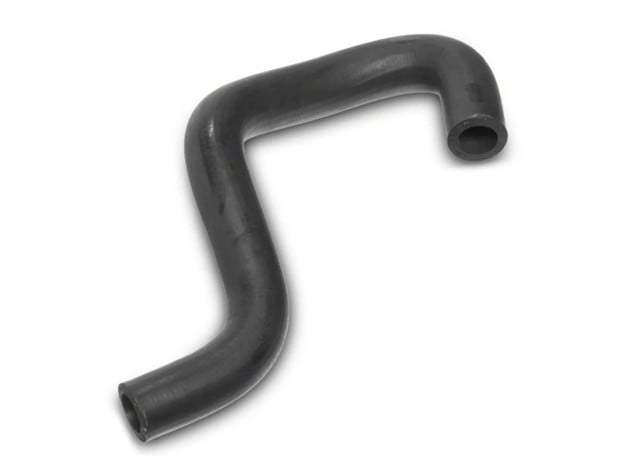 Thankfully, if you notice an issue with your hoses, you can get back to a comfortable ride in no time with a simple OPR Power Steering Hose Reservoir To Pump replacement. Full replacement reservoirs are also available, along with any other parts you need to stop or test leaks in the system.
Unusual Noises
Engines make a lot of noise. We get that. But are you starting to hear something unusual coming from underneath the hood? Unfortunately, this is a warning sign that your power steering system is failing. You'll want to listen for grinding, squeaking, and whining sounds when you make a turn. 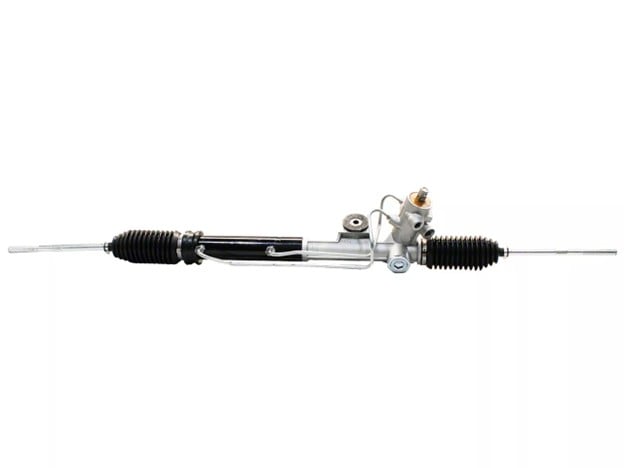 Depending on the extent of the situation, you may also notice these sounds when you start your vehicle. A noise problem can point to an issue with fluid levels, but it can also need a whole new power steering rack. On the other hand, it can also be a power steering belt that's making the squealing sounds, so make sure you check the entire system.
Steering Problems
Lastly, you’re going to run into some problems with your vehicle’s steering if your power steering system is failing. You may notice subtle problems, like vibration in your steering wheel or a steering wheel that never quite makes it back to center, but you may also notice that your vehicle’s steering response is delayed. In the worst cases, you'll find that your steering wheel will get very heavy. Therefore, it may feel like you don't have power steering at all anymore. In these situations, you'll want to check on the entire system. It could be a pulley, control valve, or even fluid problems.
Replace Your Classic Corvette's Power Steering Today
The longer you wait to address a power steering problem, the worse it will get. What's more, you'll start to lose the love and passion you have for your classic Corvette. Luckily, you can find all the parts you need to replace or upgrade your power steering system when you shop online at Ecklers. Plus, our sales techs are always on standby to help you find the parts you need for your specific vehicle.
FAQs
What are the signs of failing power steering in a classic Corvette?
Common signs include fluid leaks, whining or squealing noises, stiff steering, and delayed steering response, all of which indicate potential power steering system failure.
Why is my Corvette power steering making noise when I turn?
Noise when turning is often caused by low power steering fluid, worn belts, or a failing pump or rack, which can create whining, grinding, or squealing sounds.
Can you drive a classic Corvette with bad power steering?
While it’s possible to drive with failing power steering, it can make steering difficult and unsafe, especially at low speeds, and may lead to further damage if not repaired.
What causes power steering fluid leaks in classic Corvettes?
Leaks are typically caused by worn hoses, loose connections, damaged seals, or a failing reservoir or pump, allowing fluid to escape and reducing system pressure.
When should you replace your Corvette power steering system?
You should replace your power steering system when you notice persistent leaks, severe noise, or major steering issues that cannot be resolved with simple repairs like fluid top-offs or belt replacements.