Restoring the brakes on a classic Corvette involves thoroughly inspecting and rebuilding key components, such as calipers, rotors, hoses, and the master cylinder. While optional upgrades like disc brake conversions can significantly improve stopping power, reliability, and heat dissipation compared to older drum systems.
Eckler's Catalogs Available Now!
Classic Corvette Brakes: A Complete Guide for Safety, Restoration and Performance Upgrades

EK Staff
/ Mar 12 2026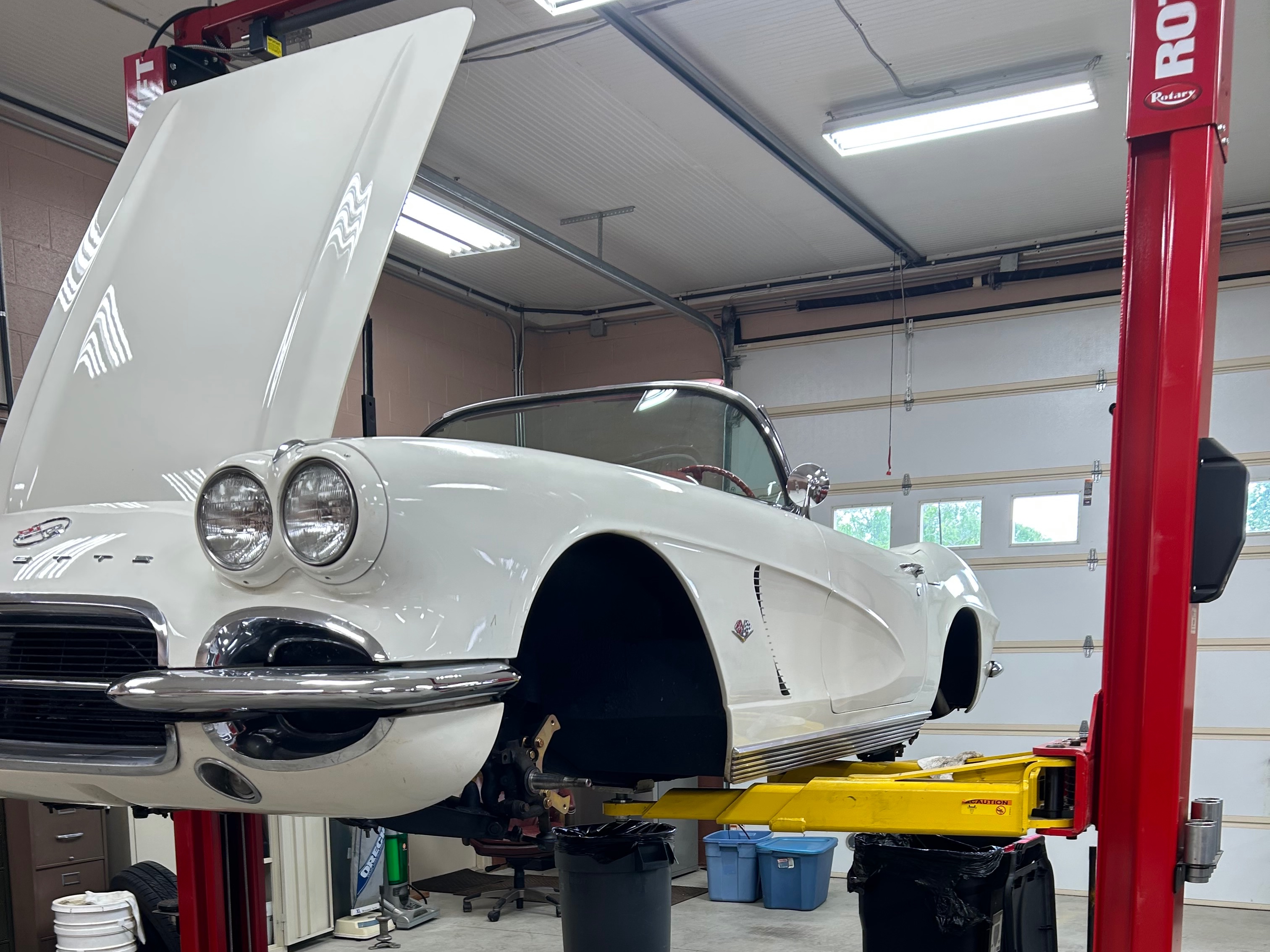
When Chevrolet introduced four-wheel disc brakes on the 1965 Corvette, it marked a turning point in American automotive engineering. These brakes were designed to bring a 3,500-pound sports car down from triple-digit speeds with unbelievable control. If you’re restoring a classic C2 or C3 Corvette, the brake system often needs to be seriously repaired or upgraded for both safety and performance.
The Achilles’ Heel of Classic Corvette Brakes
Despite their advanced design for the era, vintage Corvette disc brakes have one significant vulnerability: corrosion in the cast-iron caliper bores. Once moisture works its way into the brake system (and it always does), the cast-iron surfaces begin to deteriorate. Traditional polyglycol brake fluid absorbs moisture over time, which accelerates the problem. You’ll start noticing symptoms like a spongy brake pedal, fluid leaks around the caliper seals, and worsening stopping power. The corrosion issue becomes especially severe in humid climates or if the car sits for extended periods, as classics are prone to do. What starts as minor pitting in the cylinder bores eventually compromises the seal, allowing air into the system and creating that unsettling mushy pedal feel. Left unchecked, corroded pistons and bores can make your classic Corvette genuinely unsafe to drive.
Calipers That Actually Work
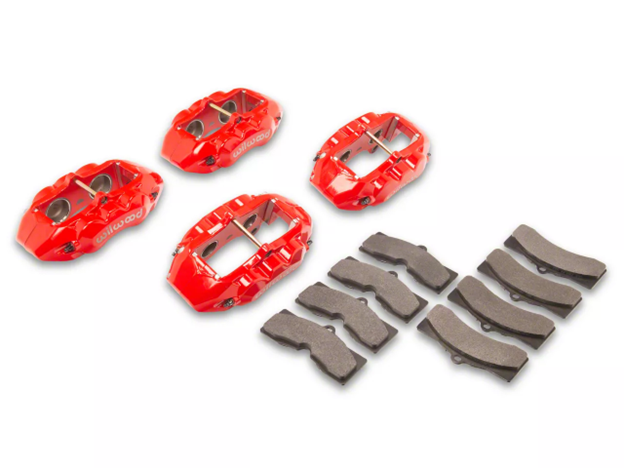
For years, the only solution was replacing Corvette calipers entirely, which gets expensive fast. Fortunately, modern restoration parts offer better alternatives. Stainless steel sleeved calipers solve the corrosion problem permanently. The stainless-steel inserts won’t rust and are built well for excellent seal contact.
ACDelco Brake Caliper Set, Stainless Steel Sleeved
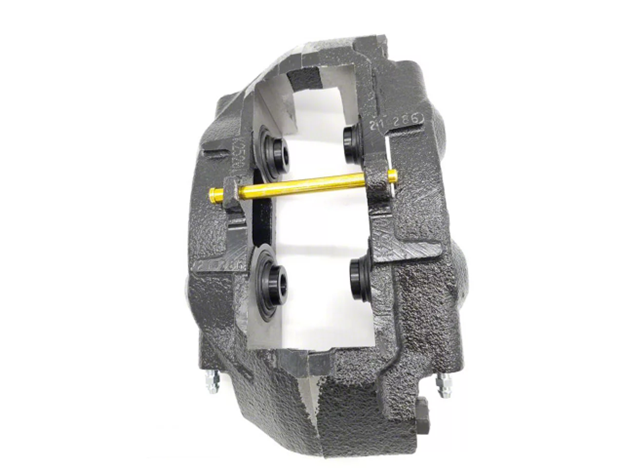
If you’re working on a 1965 to 1982 Corvette, this ACDelco caliper set features stainless steel sleeved pistons with a four-micron finish, O-rings for leak-proof sealing, and maintains the correct OE appearance with Delco Moraine logos.
Brake Calipers with Lines, Pads and Mounting Hardware
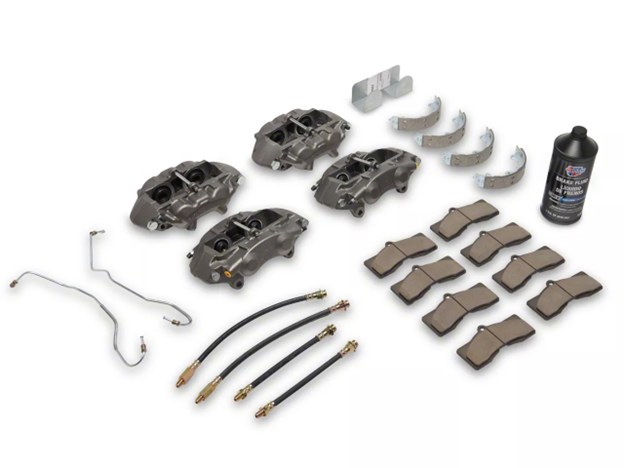
For a comprehensive brake refresh, this complete brake caliper set for C2 and C3 models gives you everything needed in one package – pads, calipers, lines, and hardware.
Master Cylinder Considerations
Master cylinders deserve special attention during any brake restoration. Because Corvette disc brakes keep the pads in constant light contact with the rotors, the master cylinder doesn’t move much fluid during normal operation. This means contaminated fluid concentrates in the cylinder bore, where its attacks the metal. Pitting and corrosion in the master cylinder bore can’t be fixed with a rebuild kit since those only include seals and soft parts. Replace master cylinders at the first sign of problems. A pedal that slowly sinks to the floor at stoplights or dark, cloudy brake fluid are both red flags.
Brake Master Cylinder (77-82 Corvette)
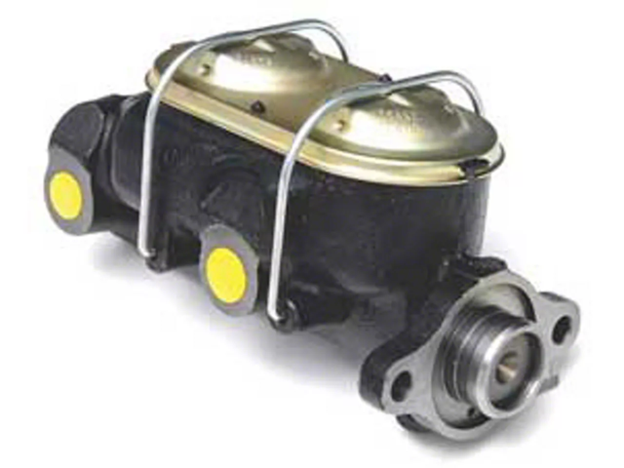
This cast iron master cylinder provides reliable replacement with proper brake pressure restoration for late C3 models. No frills, and no significant work to install.
Brake Master Cylinder (92-96 Corvette C4)
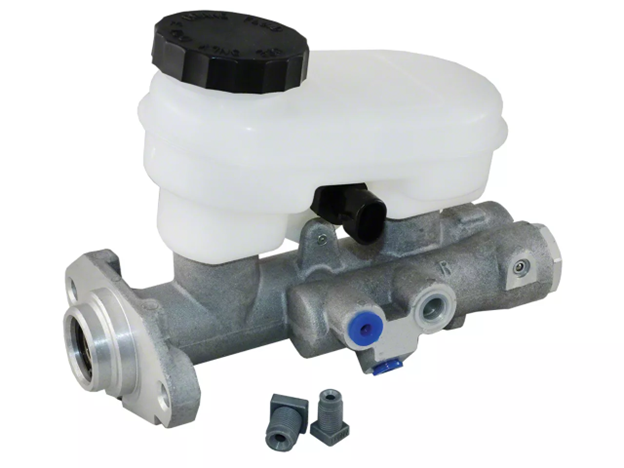
For C4 owners, this aluminum master cylinder features anodized coating for corrosion resistance and includes integrated sensor housing. It’s also available for other generations, so if you have an older model, you aren’t out of luck.
Rotors and Pads: Finding the Right Balance
When rebuilding your brake system, don’t overlook the parts that actually bear the brunt of the force. Original-style rotors work perfectly for most street-driven classics, but performance-oriented drivers might want upgraded components.
Plated Slotted and Cross-Drilled Rotors (65-82 Corvette)
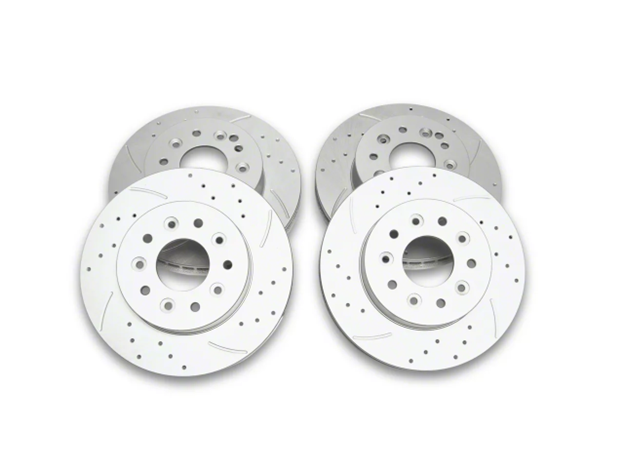
These cross-drilled and slotted rotors offer better heat dissipation and enhanced pad bite, which translates to shorter stopping distances and more fade resistance during spirited driving.
PowerStop OE Replacement Brake Rotor and Pad Kit, Rear (63-82 Corvette)
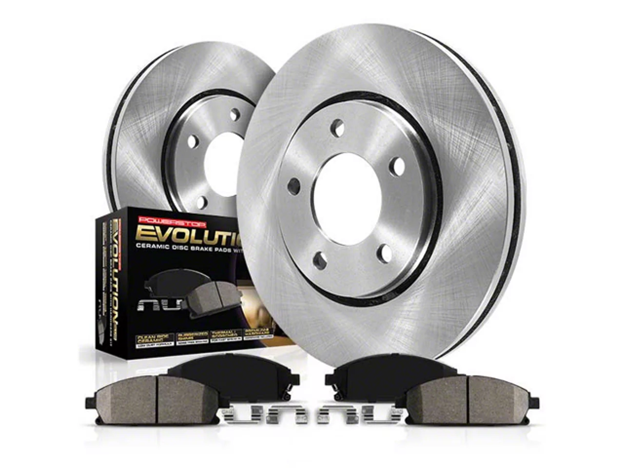
This complete PowerStop rear brake pad and rotor kit includes ceramic pads that reduce dust and noise while delivering reliable stopping power. The Z16 friction material offers excellent durability, making it ideal for daily drivers and weekend cruisers.
Performance Upgrades Worth Considering
If you’re building a Corvette for autocross, track days, or just want top-shelf braking performance, aftermarket upgrades can make a substantial difference.
Wilwood D8-4 4-Piston Front Brake Calipers, Red (65-82 Corvette)
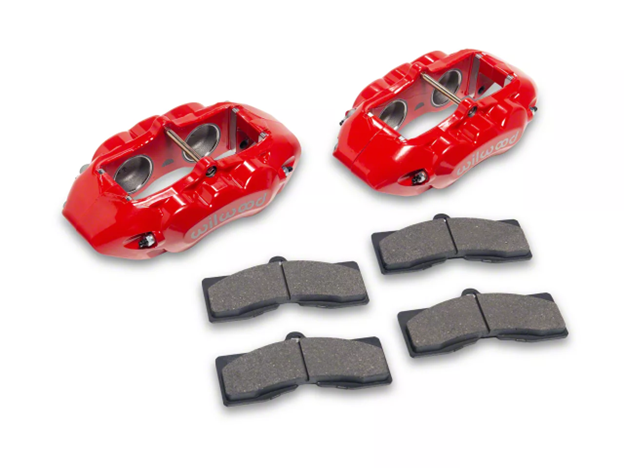
These performance Wilwood D8-4 calipers are 56% lighter than stock while providing superior clamping force. They’re constructed from forged billet aluminum with stainless steel pistons and high-temperature seals.
Wilwood D8-4 4-Piston Rear Brake Calipers, Red (65-82 Corvette)
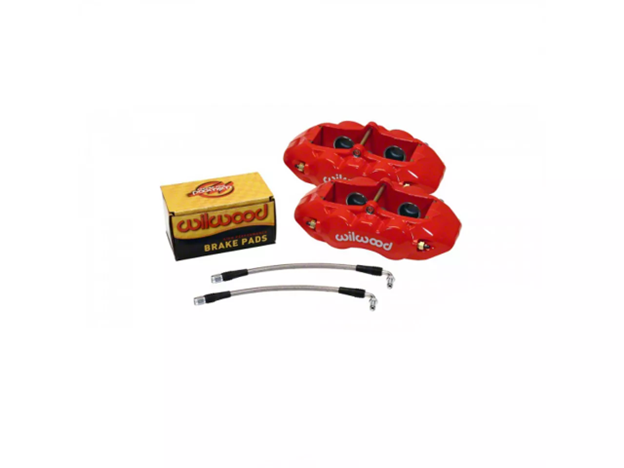
The matching rear Wilwood calipers complete the package for a comprehensive performance brake system. These upgrades bolt directly in place of the original components, making installation straightforward. The weight reduction improves suspension response and reduces unsprung mass.
Maintenance Tips
Regardless of which components you choose, proper maintenance keeps your brake system performing safely for years. Flush brake fluid every two years at minimum, or annually if you drive the car regularly. Inspect brake lines for rust, cracking, or swelling. Check pad thickness during routine maintenance and replace them before they’re worn down to the backing plates. If you’re storing your Corvette for extended periods, consider installing fresh brake fluid beforehand and exercising the brake pedal monthly to move fluid through the system. This simple step prevents moisture concentration and helps maintain seal flexibility.
Ready to Upgrade Your Corvette’s Brakes?
Whether you’re restoring a numbers-matching C2 or building a C3 for performance driving, having brakes you can trust is non-negotiable. The right components make the difference between a car that looks good in photos and one that drives confidently at any speed. Browse Ecklers’ complete selection of Corvette brake components to find everything you need for your project. From stainless steel calipers to performance rotors and master cylinders, we stock the parts that let you enjoy your classic Corvette safely and confidently.
Corvette Brakes: FAQs
How do you restore the brakes on a classic Corvette?
Restoring the brakes on a classic Corvette involves rebuilding or replacing key components in the braking system, including the master cylinder, calipers or wheel cylinders, brake lines, rubber hoses, rotors or drums, and brake pads or shoes. Over decades, seals dry out, internal corrosion develops, and braking performance declines. A full restoration ensures the system can properly generate hydraulic pressure and deliver safe, consistent stopping power.
Should I upgrade the brakes on my classic Corvette?
Upgrading the brakes is often a worthwhile improvement for classic Corvettes that are driven regularly. Modern brake components—such as larger rotors, improved calipers, and power brake boosters—provide stronger stopping power, better heat management, and improved pedal feel. While original components are ideal for factory-correct restorations, performance upgrades significantly improve safety and drivability for modern road conditions.
What are the best brake upgrades for a classic Corvette?
The most effective brake upgrades for classic Corvettes include larger vented rotors, multi-piston calipers, stainless steel brake lines, and modern brake pad compounds. Some owners also upgrade to complete performance disc brake conversion kits or add a power brake booster. These improvements increase braking force, reduce brake fade under heavy use, and improve overall braking consistency.
Why do classic Corvette brakes fail or perform poorly?
Brake performance in classic Corvettes often declines due to age-related wear and internal corrosion. Rubber seals deteriorate, brake fluid absorbs moisture, and calipers or wheel cylinders can seize after long periods of storage. Additionally, older braking systems were designed for lower vehicle speeds and horsepower levels than many modified cars produce today. Restoring worn components or upgrading the system helps restore safe braking performance.
How do I know if my classic Corvette brake system needs restoration?
Common warning signs include a soft or spongy brake pedal, brake fluid leaks, pulling to one side during braking, grinding noises, or increased stopping distances. If a Corvette has been stored for long periods or the brake system has not been serviced in many years, a full inspection and restoration is strongly recommended to ensure safe operation.