Contents
Our Picks:
Small Block:
- Best 1966–1967 C2 Corvette Small-Block Exhaust System
- Best 1980 C3 Corvette Small-Block Exhaust Kit
- Best 1963 Corvette Small Block Header-Back Exhaust System
Big Block:
Eckler's Catalogs Available Now!

EK Staff
/ Mar 25 2026
Small Block:
Big Block:
Choosing the right Corvette exhaust system goes far beyond just getting the right sound. The engine under your hood dictates what type of exhaust setup will deliver the best performance, and the difference between small-block and big-block configurations is huge. Whether you're restoring a classic C2 exhaust or upgrading a C3 exhaust system, the exhaust system has to match your engine for maximizing both horsepower and that signature Corvette rumble.
Small-block Corvette engines, typically ranging from 327 to 350 cubic inches, require exhaust systems designed around their more compact dimensions and higher-revving nature. These engines benefit from 2.5-inch diameter piping that balances backpressure with flow, delivering responsive power across the RPM range without sacrificing low-end torque.
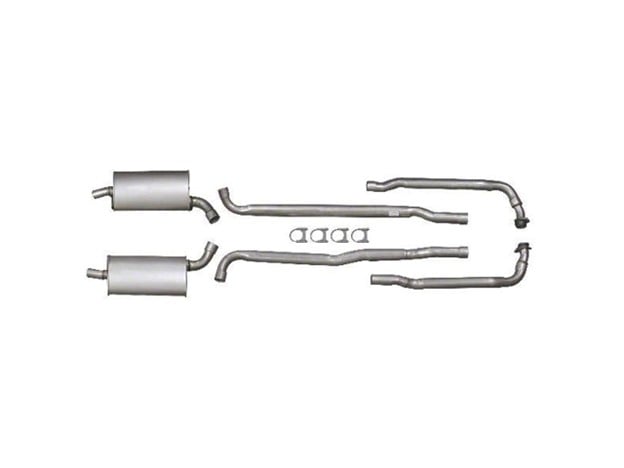 This Small Block 300hp And 350hp Aluminized 2-1/2 With Manual Transmission exhaust system is purpose-built for mid-60s C2 Corvettes equipped with 300hp or 350hp small-block engines paired to manual transmissions. The 2.5-inch aluminized steel construction offers excellent durability without breaking the bank, resisting corrosion far better than stock mild steel systems. The kit includes everything you need: pipes, inserts, packings, clamps, flanges, and mufflers, making it a comprehensive replacement that installs as a direct bolt-on. The aluminized coating extends the life of the system while the properly sized tubing maintains the refined exhaust note these engines are known for. If you're restoring a '66 or '67 small-block to factory specifications, this system delivers authentic performance and sound.
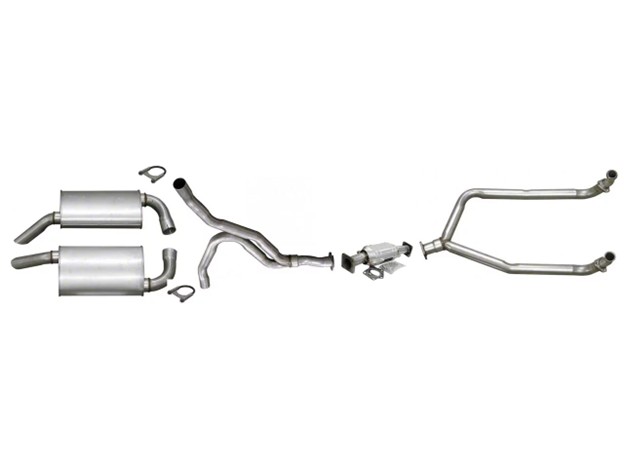 Late C3 owners looking for a reliable replacement will appreciate this American-made exhaust kit designed specifically for 1980 models. Built from high-quality aluminized steel, this system meets or exceeds OEM specifications while offering enhanced durability over the original equipment. What sets this kit apart is its corrosion-resistant construction that withstands both aggressive driving and harsh weather conditions. The 2.5-inch diameter maintains optimal exhaust flow for improved engine efficiency, and because it's designed to work with any transmission, you don't need to worry about compatibility issues. Installation is straightforward with no drilling or modifications required, and all necessary hardware comes included. This is the go-to choice for C3 owners who want modern reliability with period-correct fitment.
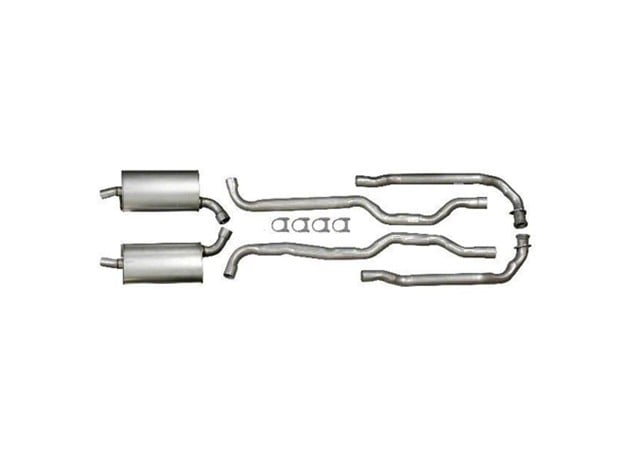 This stainless steel header-back system represents the top tier of small-block exhaust options. Built specifically for 1963 C2 models with manual transmissions, this American-manufactured system uses top-grade stainless-steel construction that offers unmatched resistance to rust and corrosion. The stainless construction means this exhaust will likely outlast your ownership of the car, making it a smart long-term investment for serious collectors. The system has been professionally inspected and tested to meet industry-leading standards, and its high-flow design improves engine breathing for noticeable performance gains. Installation is completely bolt-on with no modifications needed, and the stainless steel's natural finish complements the undercarriage beautifully. This is the ultimate choice for restoration purists who demand the best.
Big-block engines, on the other hand, pack significantly more displacement from 396 to 454 cubic inches and generate substantially more exhaust volume. These powerhouses need exhaust systems that can handle the increased flow demands while maintaining the proper scavenging effect that keeps power delivery smooth and strong.
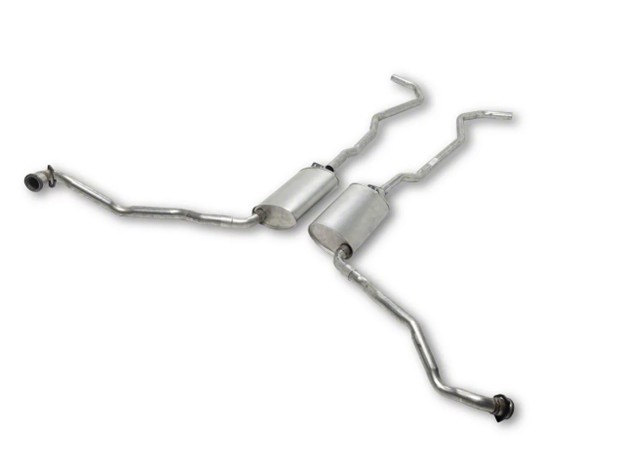 Big-block C3 owners with 390hp or 435hp engines and manual transmissions have a perfect match in this aluminized steel system. Designed to handle the massive exhaust volume these high-output engines produce, this system features larger-diameter piping that lets those big cubic inches breathe freely. The high-flow design ensures your engine develops full power while maintaining the deep, authoritative exhaust note that big-blocks are famous for. The aluminized steel construction provides excellent longevity, resisting the heat and corrosion that big-block exhaust systems face. As a direct replacement for the factory setup, it includes all necessary hardware for straightforward installation, and the robust construction ensures it can handle the torque and vibration big-blocks generate.
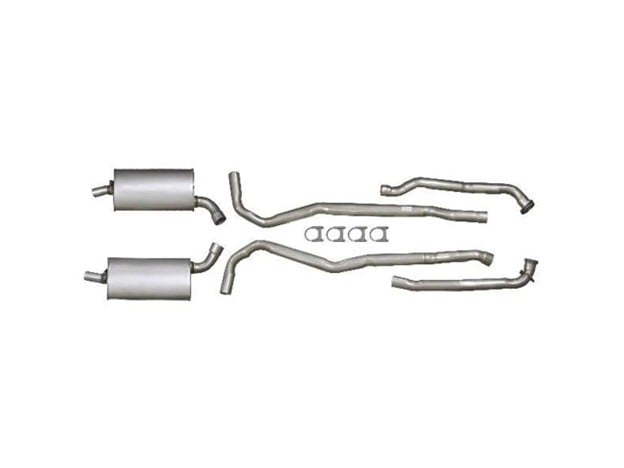 This exhaust system addresses the specific needs of early-70s big-block C3s equipped with automatic transmissions. Manufactured from heavy-duty 14-gauge, 2.5-inch aluminized piping, it offers the strength needed to handle big-block power while meeting or exceeding OEM specifications. The system's design focuses on optimizing exhaust flow for improved engine efficiency, which is particularly important for these emission-era engines. The corrosion-resistant construction means years of reliable service, and the moderately easy installation requires no drilling. While hangers and tips are sold separately, the system includes all primary components needed for a complete replacement. This is an excellent choice for automatic-equipped C3 owners who want dependable performance without custom fabrication.
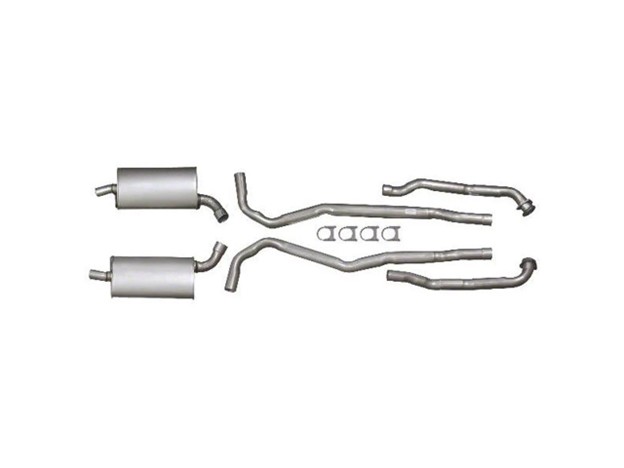 For owners who want the ultimate in both sound and durability, this stainless steel chambered system delivers on all fronts. The chambered design produces that classic side-pipe exhaust note that factory-equipped Corvettes were famous for, but without requiring expensive side pipe covers. Built from heavy-duty 14-gauge stainless steel pipes, this stainless-steel system for 1965 to 1967 models bolts directly to stock manifolds with zero modifications needed. The chambered mufflers create improved performance alongside that distinctive sound, and stainless steel exhaust tips are included for a complete, polished look. Best of all, the chambered mufflers carry a limited lifetime warranty, giving you peace of mind that this investment will last. This system represents the pinnacle of mid-60s big-block exhaust technology.
Ready to give your Corvette the exhaust system it deserves? Ecklers carries a comprehensive selection of exhaust systems engineered specifically for small-block and big-block applications across multiple generations. Whether you're doing a complete restoration or simply replacing worn-out components, you'll find quality systems that deliver authentic sound, improved performance, and lasting durability. Browse the full selection online, or contact our sales techs to ensure you're ordering the perfect exhaust system for your model and engine configuration.
The best exhaust system for a small-block Corvette is typically a 2.5-inch setup that balances exhaust flow and backpressure for strong low-end torque, responsive throttle, and a classic Corvette exhaust note.
Yes, big-block Corvettes need higher-flow exhaust systems designed to handle greater exhaust volume and larger engine displacement, which helps maximize horsepower, torque, and overall performance.
Stainless steel Corvette exhaust systems offer the best long-term durability and corrosion resistance, while aluminized steel systems provide a more affordable option with solid performance and dependable protection against rust.
To choose the right Corvette exhaust system, match the kit to your engine type, model year, horsepower rating, and transmission, since fitment and performance can vary between small-block, big-block, manual, and automatic applications.
Yes, upgrading your Corvette exhaust system can improve exhaust flow, increase engine efficiency, support better horsepower and torque, and deliver the deeper, more aggressive sound enthusiasts want.