Eckler's Catalogs Available Now!
Shop Owners Save More!
Sign up for our dealer program

Frequently Bought Together

Product Information
Features, Description, Reviews, Q&A
Features
- Precise Replacement - Cylinder Housing Is Constructed To Match The Casting Material Of The Original Part And Ensure Similar Performance
- Durable Design - All Rubber Components Are Made Of High-Quality EPDM Compound For Resistance To Glycol-Based Brake Fluid
- 100% New - Made Entirely Of New Materials, Not Remanufactured, To Ensure Highest Quality And Safety
- Strict Specifications - Made To Meet Rigorous SAE International Standards
- Fits 55-60 Thunderbird Without Air Conditioning With Manual Brakes
Description
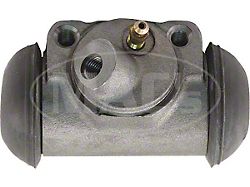
High-Quality Brake Component. The OE Solutions Brake Master Cylinder is designed to replicate the function and performance of the original master cylinder for the 55-60 Thunderbird. It plays a critical role in the braking system by converting mechanical force into hydraulic pressure, thereby enabling safe and efficient vehicle stopping.
Construction and Appearance. This master cylinder is constructed from cast iron to match the original casting material, ensuring durability and reliable performance. The internal rubber components utilize premium EPDM compound resistant to glycol-based brake fluids, and the overall finish is engineered for longevity and corrosion resistance.
Installation. Installation of this master cylinder is straightforward, requiring no drilling or modification to the existing mounting points. It is designed for a direct fit, facilitating an efficient replacement process.
Application. This master cylinder specifically fits the 1955 to 1960 Thunderbird models without air conditioning and equipped with manual brakes.
CA Residents:  WARNING: Cancer and Reproductive Harm - www.P65Warnings.ca.gov
5.0
Customer Reviews (4)
Questions & Answers
No questions about this product yet.
Ask the First Question