Eckler's Catalogs Available Now!
What Are the Top Fuel System Components Every Classic Corvette Owner Should Replace?

EK Staff
/ Feb 17 2026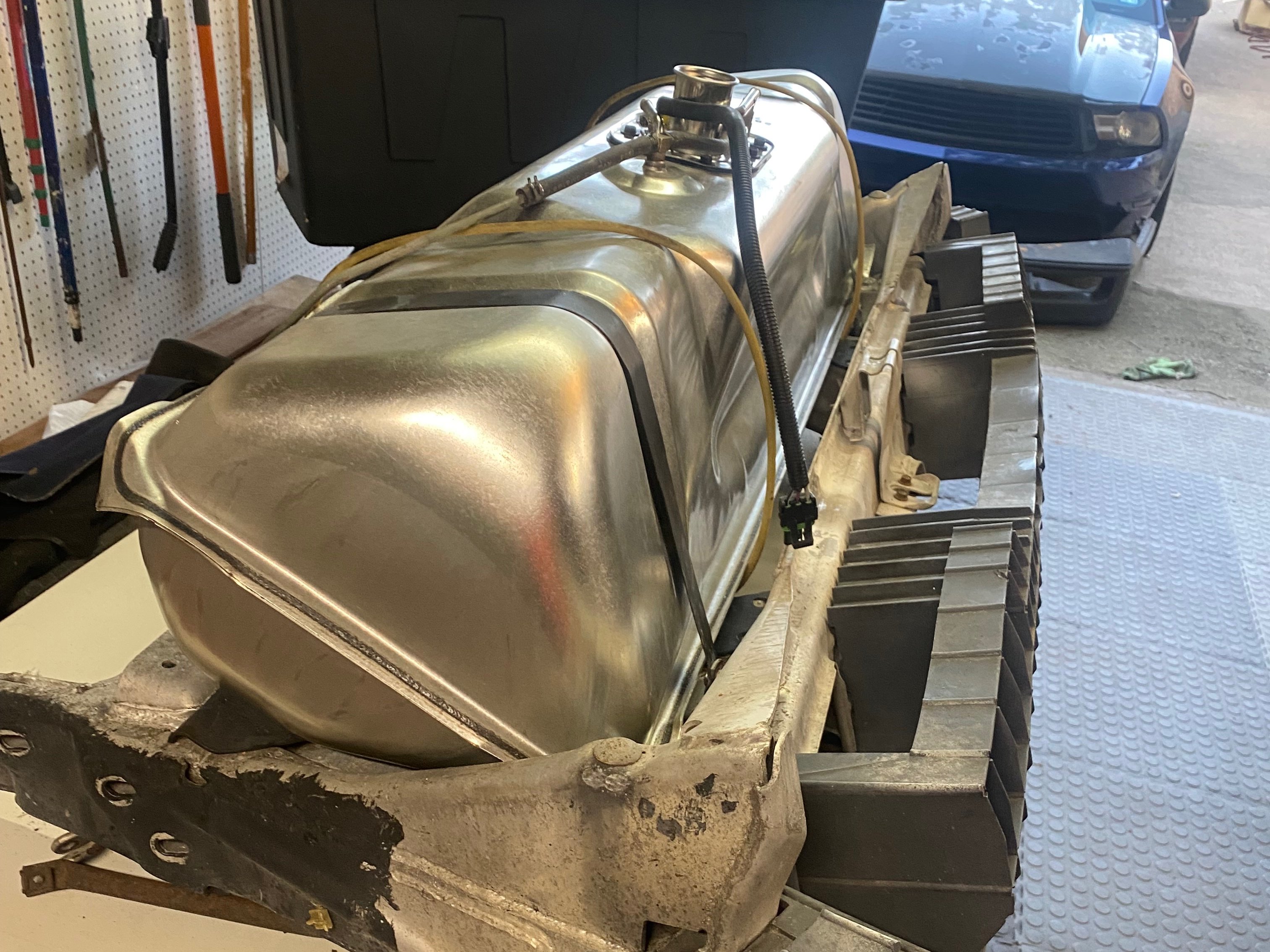
The classic Corvette is one of the most sought-after and recognizable vintage cars in existence. If you own a classic Corvette, you’ve probably done everything you can to keep it looking and performing its very best. However, if your fuel system isn’t in top condition, the rest of the car won’t operate at its full potential, and you’ll lose out on both performance and reliability. Years of exposure to rust, ethanol, and normal deterioration can cause serious issues with your fuel system, and replacing some key parts can make all the difference. Knowing which fuel system components need to be replaced will help you keep your Corvette running smoothly for many more years.
Why Fuel System Restoration Matters on Vintage Corvettes
The biggest reason why you’ll need to restore your Corvette’s fuel system is the fact that fuel itself has changed. Before 1990, most Corvettes were designed and built to the specifications required by the gasoline of the time. Today, though, fuel is blended with ethanol, which absorbs moisture, degrades rubber, and rusts steel lines. The old fuel system will not be able to handle the demands of modern fuel and will eventually rot away, leaving you on the side of the road with no way home. Replacing some crucial components will ensure that you can keep giving your Corvette modern fuel, and it will stay in good shape for as long as possible.
Fuel System Components to Replace
For the most part, you won’t have to replace the entire fuel system all at once. You can most likely get away with replacing a few key components at a time. Understanding what the most important parts to replace are and how they can help protect your car will allow you to make the best decisions when it comes to upgrading your fuel system.
Fuel Tank
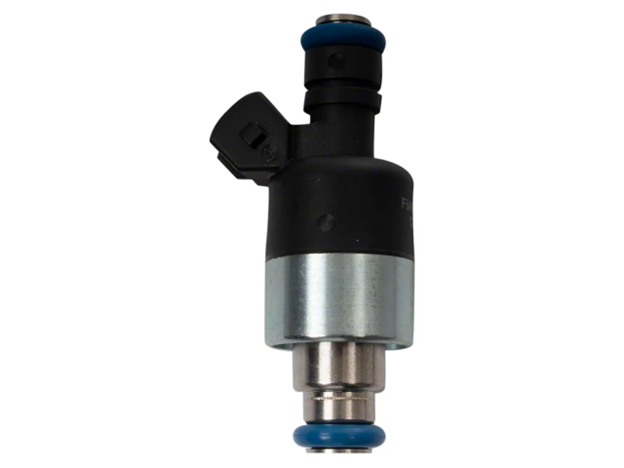
For many people who are having issues with their Corvette fuel system, the fuel tank is probably the main source. Over time, the inside of the tank will start to rust and deteriorate. This produces metal flakes and pieces of oxidation that can float around in the fuel and eventually get into your engine. Even if this debris doesn’t make it all the way into the engine, it can still clog up your Corvette fuel filter, needle valves, jets, or injectors. Even if the fuel tank looks okay from the outside, it’s probably a good idea to replace it if it's original. That way, you can rest easy knowing your fuel is clean.
Fuel Sending Unit
The original fuel sending units in vintage Corvettes are generally made of brass and steel. While this makes them fairly durable, it can also make them more susceptible to corrosion, sticking, and a loss of accuracy due to their resistance. A new sending unit that is specifically formulated for ethanol-blended fuel will be made of stainless steel. This ensures that it will last a lot longer, even if it’s exposed to moisture. When installing the replacement sending unit, it’s also a good idea to replace the tank O-ring while you have everything disassembled to get a proper fit.
Fuel Lines
The fuel lines in your Corvette are especially problematic if they are all-original. Vintage Corvettes used rubber for the soft lines and steel for the hard lines, both of which will deteriorate over time if you use ethanol-based fuel. Stainless steel for the hard lines and fuel-rated hose for the soft lines will be a much better, much more durable option for your Corvette. If you replace all of these lines at once, you vastly reduce your odds of a fuel leak, contamination in the engine, and even a fire.
Fuel Pump
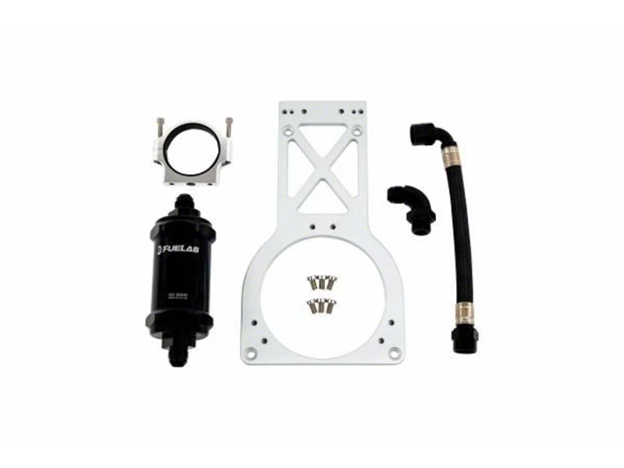
Classic Corvettes used mechanical fuel pumps to pull fuel from the tank into the engine. These pumps have a diaphragm that, over time, can harden or crack, causing leaks, a lack of pressure, and misfires. These imperfections can also leak fuel into the crankcase and dilute the oil, which will potentially destroy the bearings inside. Owners of older Corvettes should replace the mechanical fuel pump with an electric version or a new mechanical pump that has a modern ethanol-resistant diaphragm.
Fuel Filter
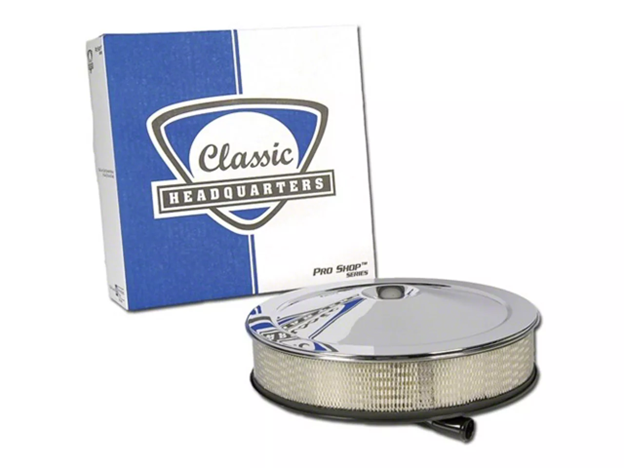
The standards of fuel filtration have drastically improved since the 1960s. Older Corvette fuel filters were incredibly coarse, allowing too much debris into the engine. Newer filters are much finer, so you can rest easy knowing the fuel coming into the engine is as clean as possible. This is especially important if you have upgraded your engine with modern fuel injection systems or upgraded carburetors. If you want consistency and reliability from your classic Corvette, new fuel components are a great option, and Eckler’s has you covered. With plenty of options to choose from and new products being added all the time, you can make the most of your iconic muscle car.