Eckler's Catalogs Available Now!
Get $80 Off
Redeem Now >
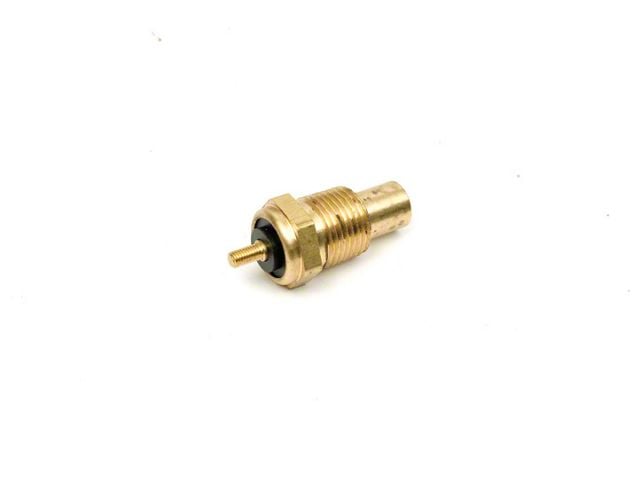
Coolant Temperature Send Unit, Threaded Stud Connector (1969 Camaro)
Find parts that fit my vehicle Item EK-33-185032-1
Shop Owners Save More!
Sign up for our dealer program

Frequently Bought Together
Product Information
Features, Description, Q&A
Features
- Original 1/2 X 14 N.P.T.F. Thread Size
- Compatible With Factory Console Gauges
- Correct Resistance And Connection For Accurate Gauge Display
- Converts Engine Temperature Into Electrical Resistance
- Intended For Vehicles With Gauges, Not Warning Lights
- Manufactured To Original Manufacturer Blueprint Specifications And Tolerances
- Includes Original Type Terminal Connection And Size Housing
- Features Correct Thermistor For Accurate Gauge Reading
- Installation Does Not Require Sealant On Threads To Avoid Malfunction
- Terminal Connections Match Original Equipment
- Replacement Lead Repair Kits Available To Restore Original Wiring
- Fits 1969 Camaro
Description
The coolant temperature sending unit in your 1969 First Generation Camaro can became faulty over time due to old age. Because of this, the sending unit can even start displaying misleading information on your console temperature gauge, or the temperature gauge could stop displaying anything at all. You don't want to be driving on the road without a clue of what the correct read should be on your dash gauges. Rick's Camaros is happy to offer a new restoration correct coolant sender for your F-Body's dashboard, with a threaded stud connector and for Camaros with console gauges. Don't wait to have a correct temperature sensor read-out while cruising in your Chevrolet Camaro. From racers, show cars, street rods, and daily drivers, you can trust Rick's Camaros for all of y
CA Residents:  WARNING: Cancer and Reproductive Harm - www.P65Warnings.ca.gov
4.8
Reviews of similar Classic Engine Products (1)
Questions & Answers
No questions about this product yet.
Ask the First Question